New York weather can be unpredictable, with powerful storms threatening our homes and hardwood floors. Being proactive with storm preparedness can save you significant time, stress, and money. This thorough checklist will guide you through vital steps to secure your property, focusing on areas often overlooked, especially when it comes to moisture and impact damage that can affect your beautiful floors.
1. Secure the Exterior of Your Home
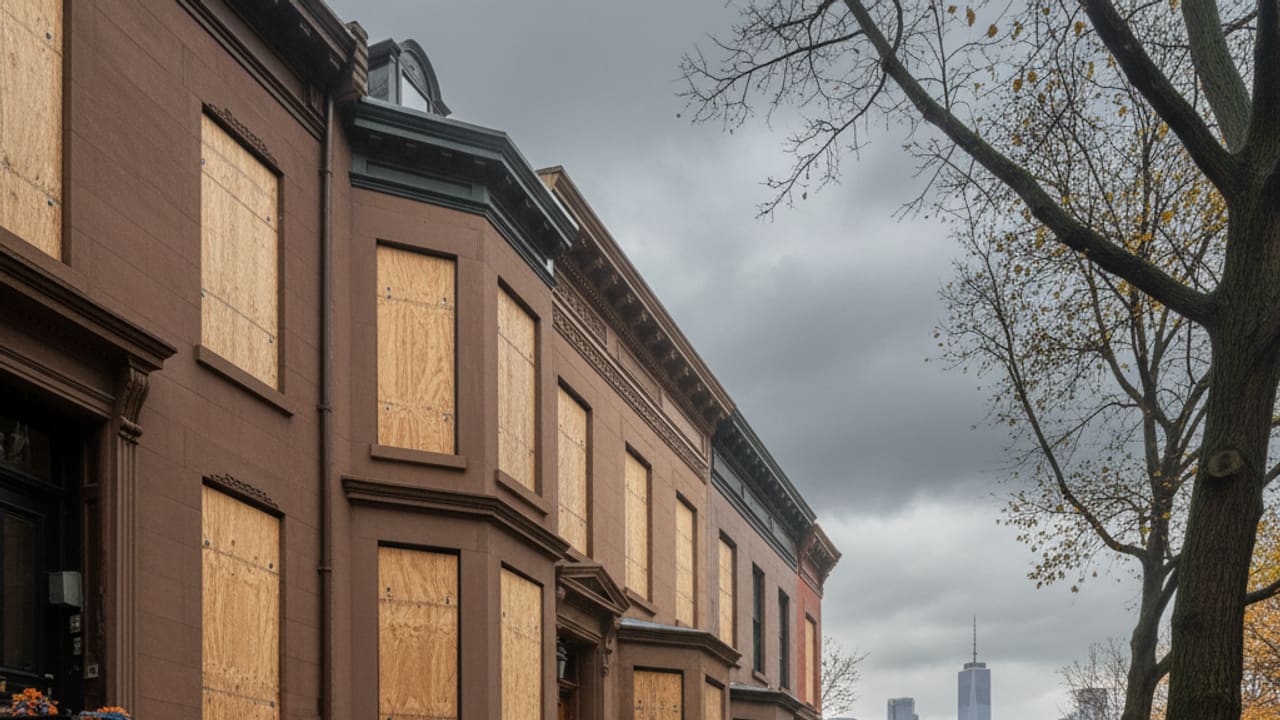
Before any storm, walk around your property. Secure loose items like patio furniture, grills, and trash cans that could become projectiles. Trim dead or weak tree branches that might fall and cause damage. Check that all windows and doors are properly latched and sealed. Consider installing storm shutters or boarding up large windows if a major hurricane is expected. Clear out gutters and downspouts to ensure proper water drainage, preventing overflow that can seep into your foundation or attic.
2. Protect Your Interior from Water Damage
Water is often the most destructive element of a storm. Inspect your roof for any missing or damaged shingles and make temporary repairs if time allows. Ensure your attic and basement windows are tightly closed. If you have a basement, consider a sump pump with a battery backup. Elevate valuable items and furniture, especially in areas prone to flooding. For hardwood floors, this means moving rugs and furniture to higher ground or central, drier areas of the room.
3. Prepare for Power Outages
Storms frequently cause power disruptions. Have flashlights with fresh batteries, a battery-powered radio, and fully charged power banks for your mobile devices ready. Keep an ample supply of candles and matches in a safe, accessible place. Fill your vehicle's gas tank, and withdraw cash, as ATMs and gas stations may be inoperable during an extended outage. A strong storm preparedness plan includes provisions for being self-sufficient for several days.
4. Create an Emergency Kit
Every home needs a well-stocked emergency kit. This checklist of essentials should include: a three-day supply of water (one gallon per person per day) and non-perishable food, a first-aid kit, prescription medications, a whistle to signal for help, dust masks, plastic sheeting and duct tape, wrench or pliers to turn off utilities, a manual can opener, and important family documents (birth certificates, insurance policies) stored in a waterproof bag to enhance your home safety.
5. Safeguard Your Hardwood Floors
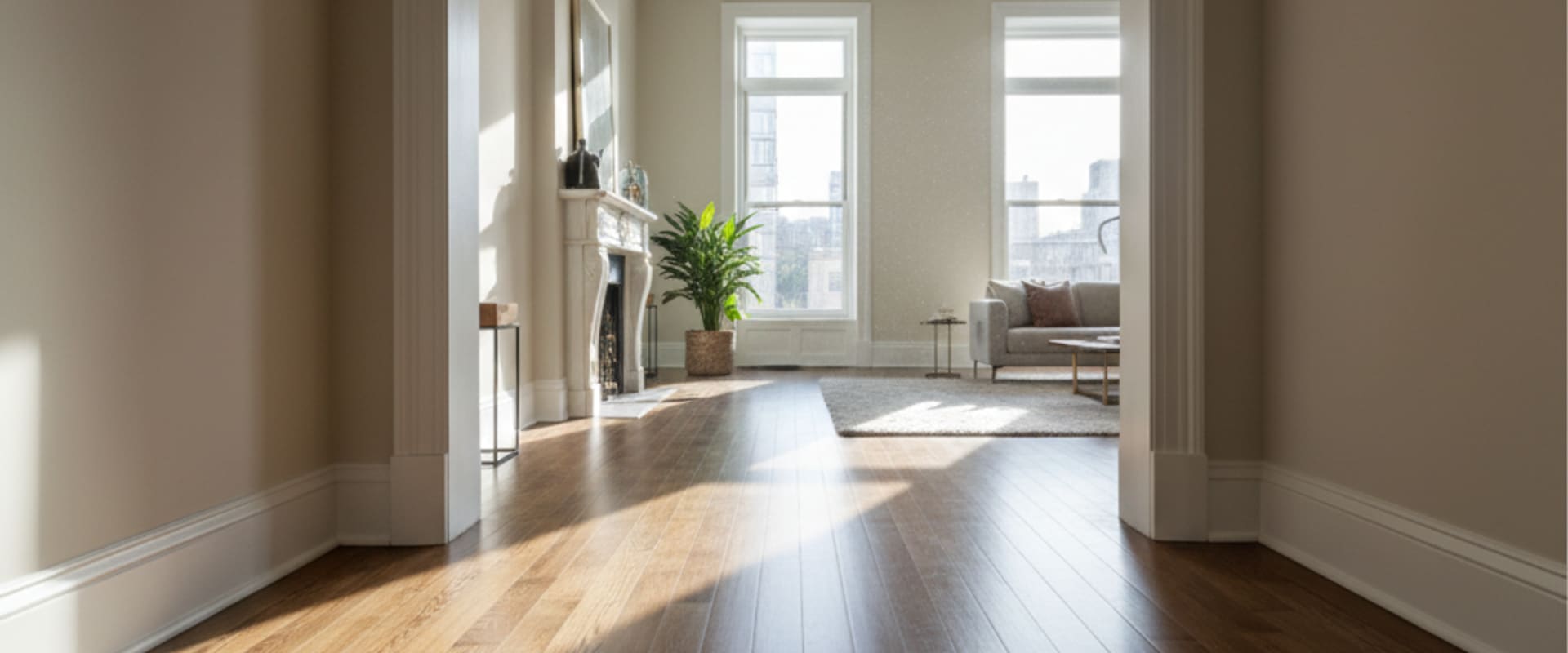
Your beautiful hardwood floors are a significant investment and particularly vulnerable to water damage and humidity fluctuations during a storm. If you anticipate heavy rain or potential flooding, consider placing waterproof tarps or heavy plastic sheeting over vulnerable areas of your floors, especially near windows, doors, and basements. Elevate furniture to prevent water contact. For existing minor floor issues that could worsen with moisture exposure, you might consider our expert floor repair services before a storm hits. Learn more about our floor repair services to address any vulnerabilities with our 24+ years of experience.
6. After the Storm: Next Steps
Once the storm has passed and it's safe to do so, carefully assess any damage to your property. Check for structural damage, leaks, and potential electrical hazards. Document all damage with photos and videos for insurance purposes. If you discover water damage to your hardwood floors, it's crucial to act quickly to prevent further issues like warping or mold. Contact professionals for assistance with cleanup and repairs, ensuring your home is restored to its prime condition.