
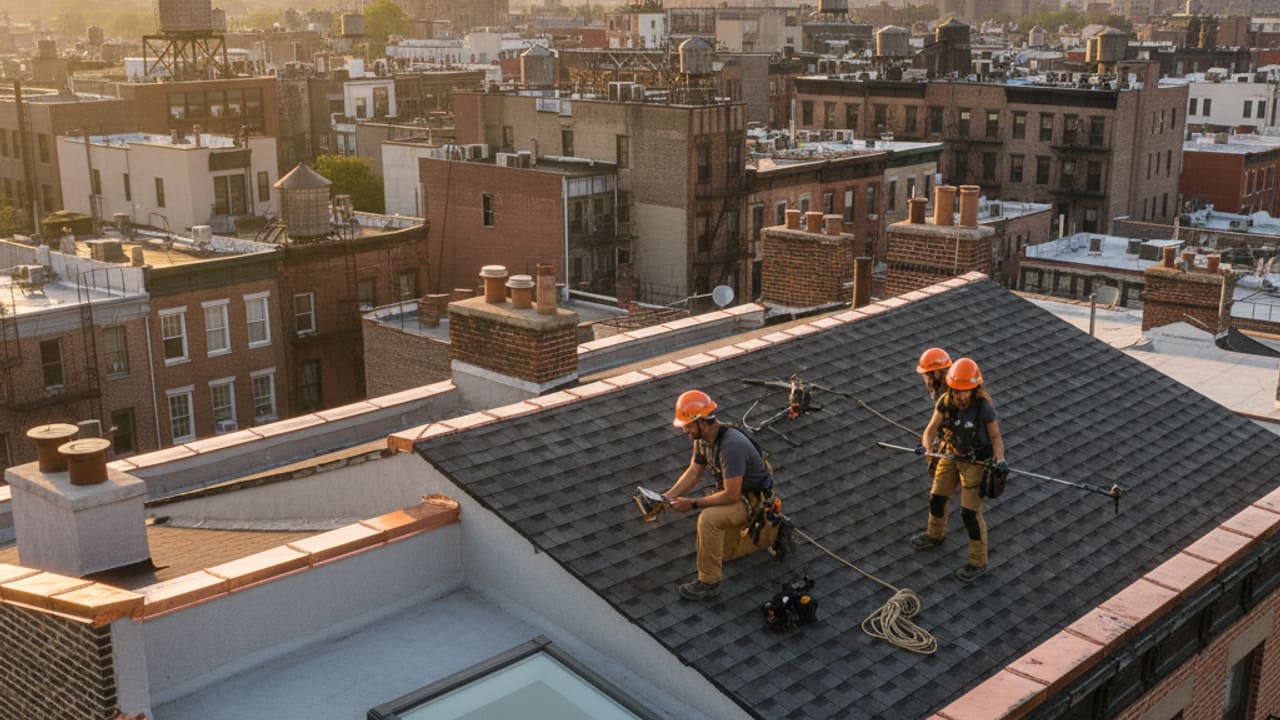
Maintaining your home is a continuous effort, and your roof is one of its most critical components. Understanding how to conduct a basic roof inspection guide can empower you to spot problems before they escalate. While our expertise is in crafting beautiful hardwood floors, we believe in providing homeowners with valuable knowledge for overall property care. This guide will walk you through the essential steps for a visual roof inspection guide, emphasizing safety and common red flags.
Safety First: Preparing for Your Roof Inspection
Before you even think about climbing onto your roof, safety must be your absolute priority. A roof inspection guide starts with a plan to keep yourself secure. Always work with a buddy, inform someone of your intentions, and choose a clear, dry day. Avoid inspecting after rain or heavy winds. If you're uncomfortable with heights, or if your roof is steep or unusually high, it's always best to consult with a professional. We at Five Boro Flooring & Hardwood prioritize the safety and satisfaction of homeowners, whether it's beneath their feet or above their heads. Remember, a thorough safety guide helps prevent accidents.
Gathering Your Gear: What You Will Need
Having the right tools makes any job easier and safer. For a basic visual roof inspection guide, you'll want a sturdy ladder (properly secured), binoculars for distant views, a notepad and pen for documenting findings, and a camera or smartphone for photos. Wear non-slip shoes and appropriate work attire. A hard hat is also recommended. Good preparation is key to an effective roof inspection guide.
Start from the Ground: Your Initial Roof Inspection Guide
Many significant issues can be spotted without ever leaving the ground. Grab your binoculars and walk around your home. Look for missing, cracked, or curled shingles. Check for dark streaks, moss, or algae growth, which can indicate moisture problems. Examine gutters for debris or signs of wear, and note any sagging areas on the roofline. Pay attention to flashing around chimneys, vents, and skylights for signs of lifting or damage. This initial visual roof inspection is often enough to flag major concerns.
Closer Look: What to Check Up Close (If Safe and Necessary)
If your initial ground-level inspection suggests a need for a closer look and you feel absolutely safe doing so, carefully ascend your ladder. Once on the roof, proceed with extreme caution. Check for soft spots, which could indicate water damage to the underlying decking. Examine the granules on asphalt shingles, excessive loss means they are nearing the end of their life. Inspect sealants around vents and pipes for cracks or deterioration. This detailed roof inspection allows for a more granular assessment of potential weaknesses. Remember, if there's any doubt about safety guide best practices, call a pro.
Knowing the Red Flags: Common Roof Issues to Find
During your roof inspection, keep an eye out for several common issues. These include damaged or missing shingles, signs of water leaks (discoloration on ceilings or walls), sagging roof areas, damaged flashing, and clogged gutters. Ignoring these problems can lead to more extensive damage over time. Addressing them promptly is part of effective roof maintenance. Learn more about our floor repair services and how proactive maintenance extends the life of your home's crucial components.
What to Do After Your Roof Inspection
Once your roof inspection is complete, compile your notes and photos. If you've identified any potential issues, it's wise to contact a qualified roofing professional for a detailed assessment and repair recommendations. Even if you found no immediate problems, regular roof maintenance is key. Consider scheduling an annual professional inspection. Just as we ensure the lasting beauty of your floors with over 24+ years of experience in New York, a professional roofer can ensure your roof protects your home for years to come. Our commitment to Licensed, bonded, fully insured service for flooring projects extends to encouraging you to seek out similar assurances for your roofing contractors to protect your home and investment.